Enjoyed
- Bird watching
- Hiking
- Cycling
- Tree study
- Fishing
- Stargazing
- Boma evenings
Newest page

Nylsoog Wild & Eco Estate
Nylsoog Wild en Eco Landgoed (Edms) Bpk trading as Nylsoog Wild and Eco Estate
Saturday 21 November 2026
Stands R390 000 – R550 000
VAT exclusive
Investment opportunities
10:00–11:00
Arrival
11:00
Presentation
12:00
Site drive
Refreshments and drinks will be served. Meet at the Rivierplaas entrance. From Bela-Bela, travel about 10 to 14 km northeast on the R101 and take the Groot Nylsoog turn-off. Continue on the gravel road for about 6 km. Pass Leopards Rock Estate on your right. The next main entrance on your right is Nylsoog Wild and Eco Estate / Rivierplaas.
Nylsoog Wild en Eco Landgoed (Edms) Bpk trading as Nylsoog Wild and Eco Estate
You are invited to walk the land.
Nylsoog Wild & Eco Estate is 1 350 hectares of bushveld between Bela-Bela and Modimolle, about 90 minutes from Pretoria. Full-title stands are usually 1–3 hectares and are registered in the owner’s name. Game moves freely on the land. Water is supplied by the estate. Owners build when they are ready, within the estate guidelines.
You are invited to the open day on Saturday 21 November 2026. The presentation covers prices, the levy and the building guidelines, followed by a drive through the estate.
Please send your name and the number of guests, or contact Hes de Jong on 079 566 0384 or nylsoogwe@gmail.com.
Book on WhatsAppView and vision
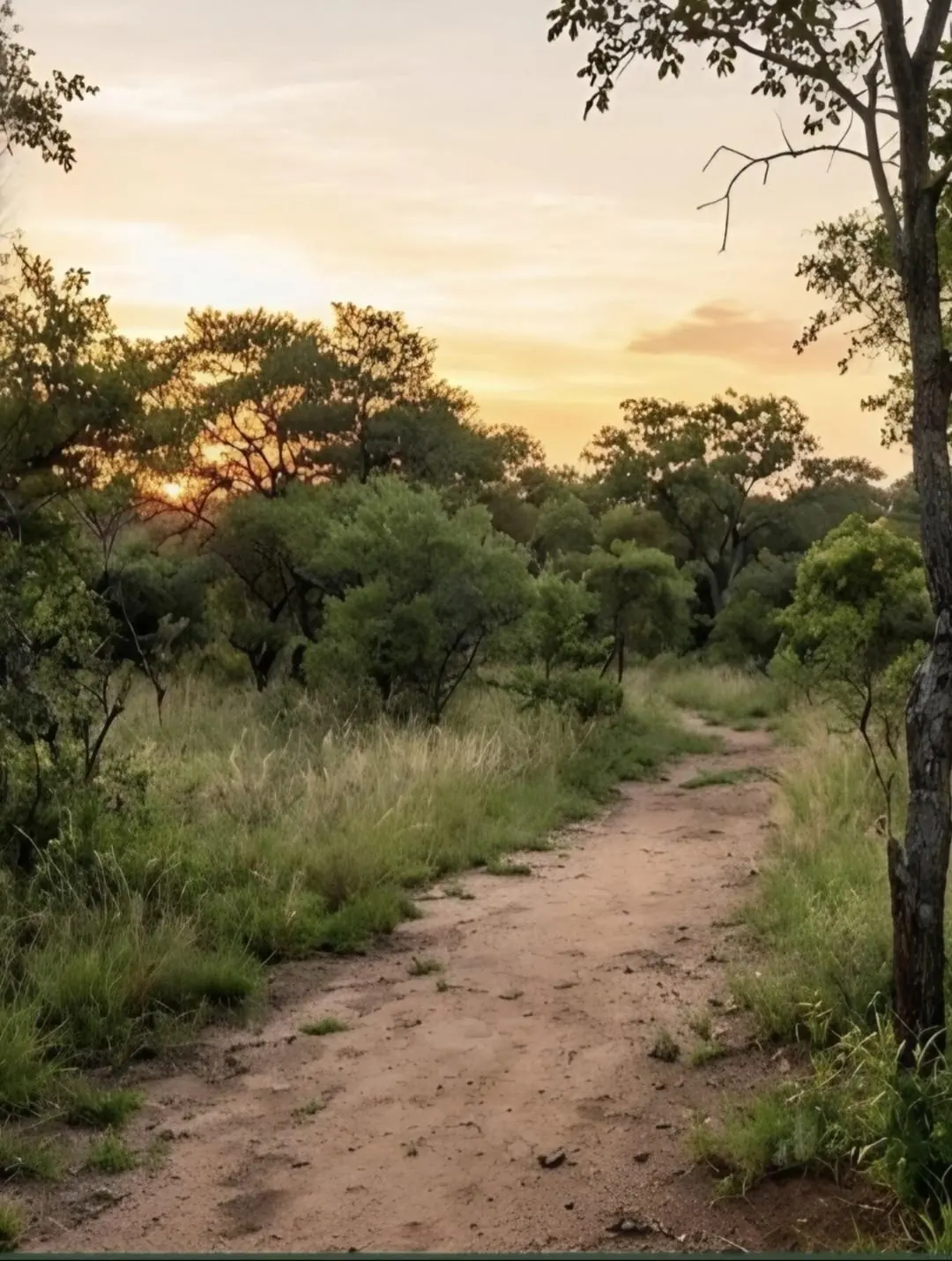
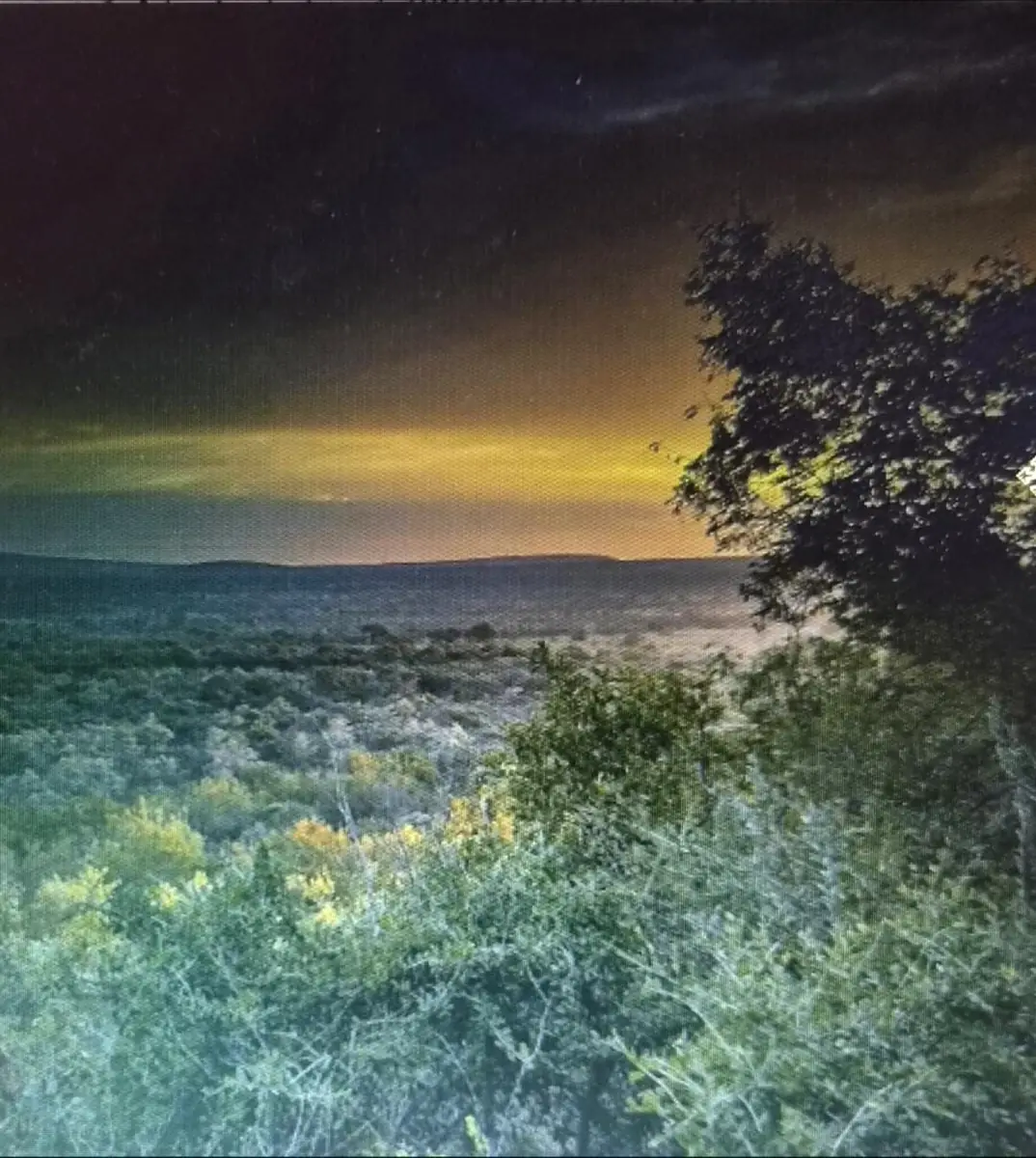
The vision is a morning you can feel. Cool air on the stoep, the scent of dry grass and wood-smoke, and golden light moving across the ridges. A zebra crosses the track. Nyala step through the shade. Somewhere below, water from the Eye of the Nile finds the fountains, and the only rush is a bird leaving a wild sering tree.
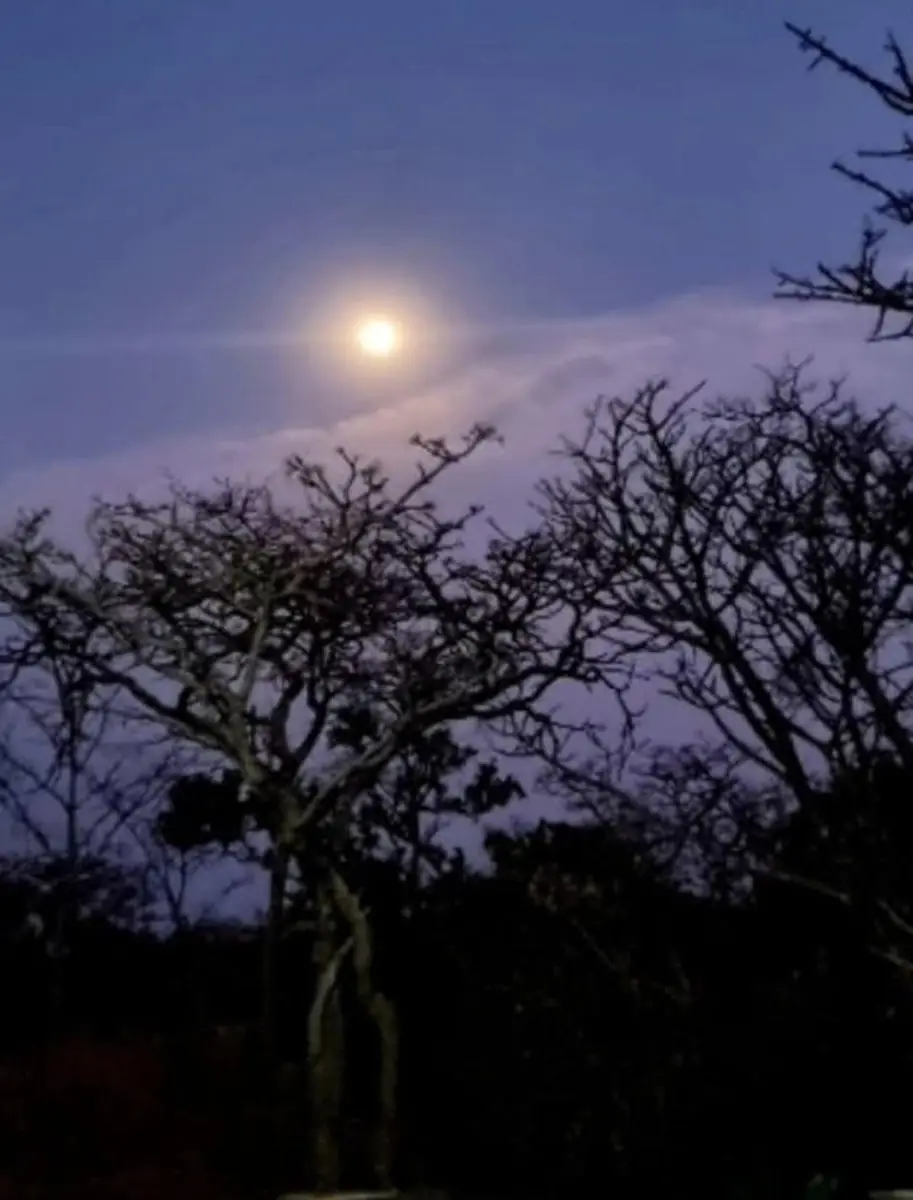
By evening the dust has settled, the boma fire cracks, and the Waterberg sky turns deep and starlit. You build when you are ready, to clear guidelines and off the Eskom grid, so the house sits quietly in that sound and that light. No commercial hunting. No quad bikes. Estate roads stay at 30 km/h. Owners hold Nylsoog together, so the bush you hear, smell and walk remains the bush your family comes home to.
Morning light falls across grassland, bushveld and the ridges between Bela-Bela and Modimolle. Nylsoog takes its name from the Eye of the Nile, a place with a long record in South African history since 1889. Five natural fountains water a landscape of valleys and mountain slopes, and the air carries birdsong rather than traffic.
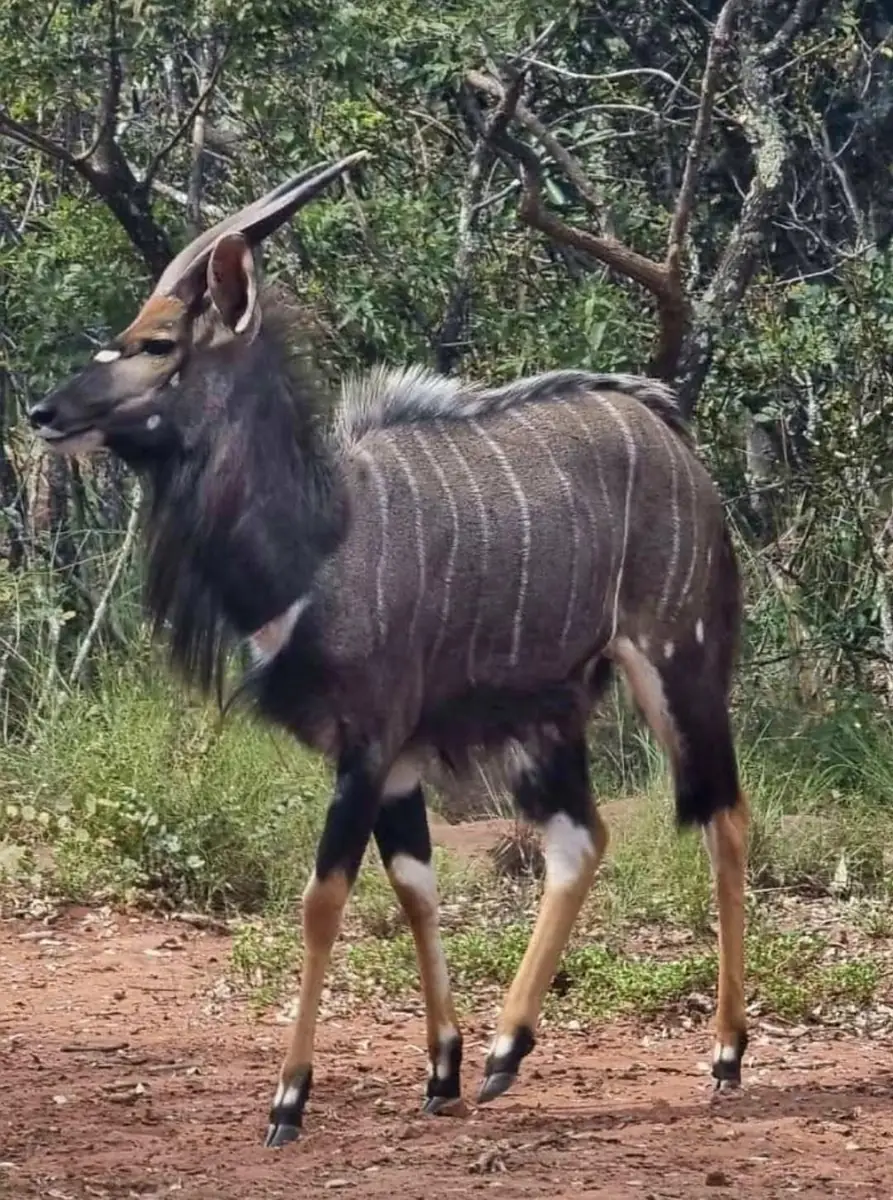
Warthog, zebra, nyala and bushpig have been recorded on the land, with kudu, impala and other game moving freely past your boundary. A full-title stand, usually 1–3 hectares, is registered in your own name. This is land you can stand on, and one day call home.
The estate
The Eye of the Nile has a long record in South African history, going back to 1889. Nylsoog lies in Limpopo, about halfway between Bela-Bela and Modimolle. Grassland, bushveld, valleys and mountain ridges form one landscape. The estate is being developed with care for the land, its water, its wildlife and its cultural heritage. Owners may choose a ridge or valley site and build in keeping with the bush.
Your opportunity to invest in your very own piece of the bushveld.

Stands
Buyers, investors and developers are looking at the same stands. The published range is a guide, not a list of plots for sale.
For the people who will live it
Ridge and valley stands are laid out so homes do not look onto one another. Build an eco house, keep a compact bush cabin, or simply hold the land and come for boma evenings, birding and the dark Waterberg sky.
01
1–3 hectares
Register the stand in your name and build to the guidelines. Price follows the view: ridge, valley, water. The estate publishes a typical range of R390 000 – R550 000, VAT exclusive.
02
Permanent or holiday
A retirement haven, a family bush home, or a small weekend cabin. There is no single way to use the land, only a shared standard for how it is treated.
A standard full-title stand is usually 1–3 hectares. The published range is R390 000 – R550 000, VAT exclusive, including on the open day of 21 November 2026. This page does not list erf numbers. Ask the office before you treat a figure as an offer.
Office contact details
Dr Johnny Coetzee
Director and developer
Marcel Vorster
Director and developer
Hes de Jong
Marketing
Wildlife
The estate is for quiet, nature-first living. Conservation and the peaceful use of the bushveld come before noise, speed and anything that treats the game as a product.
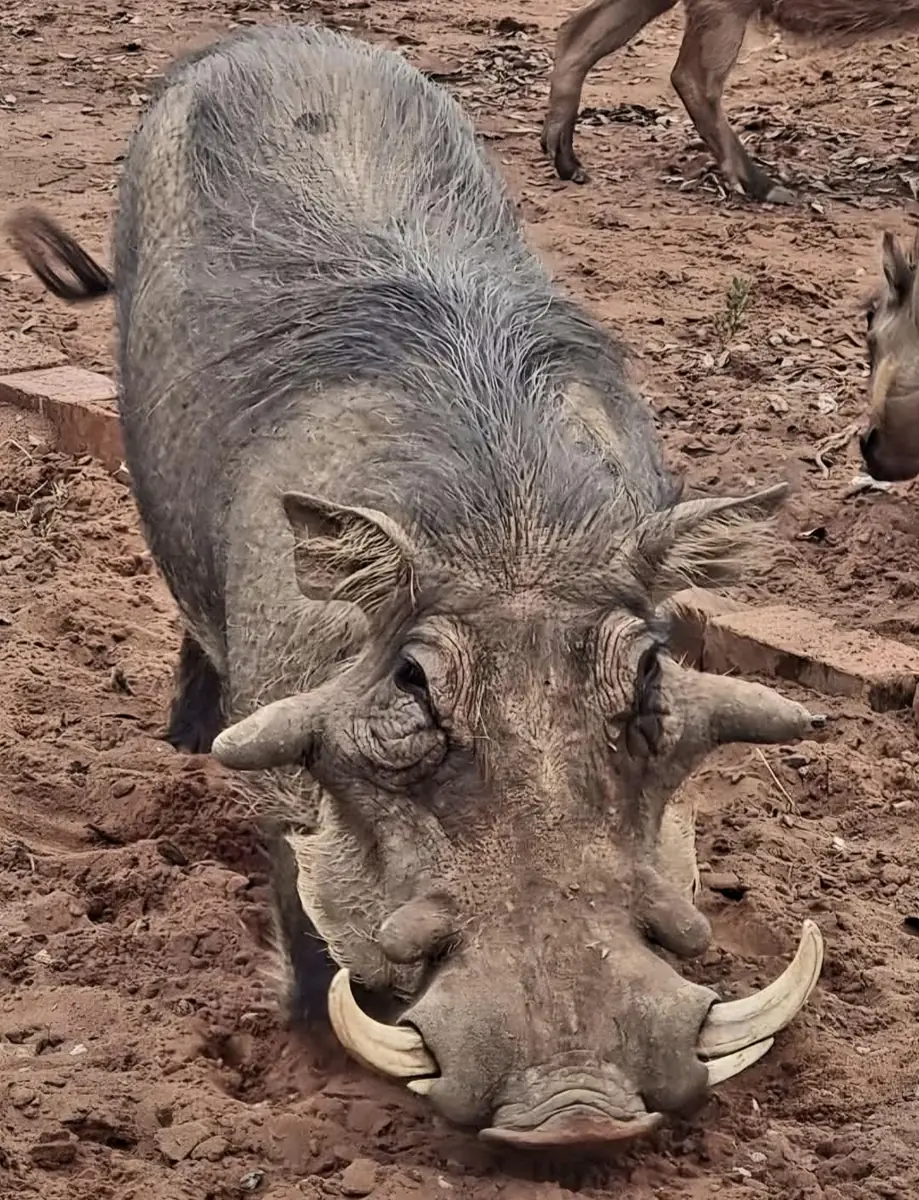
Warthog
Tusks in the dust
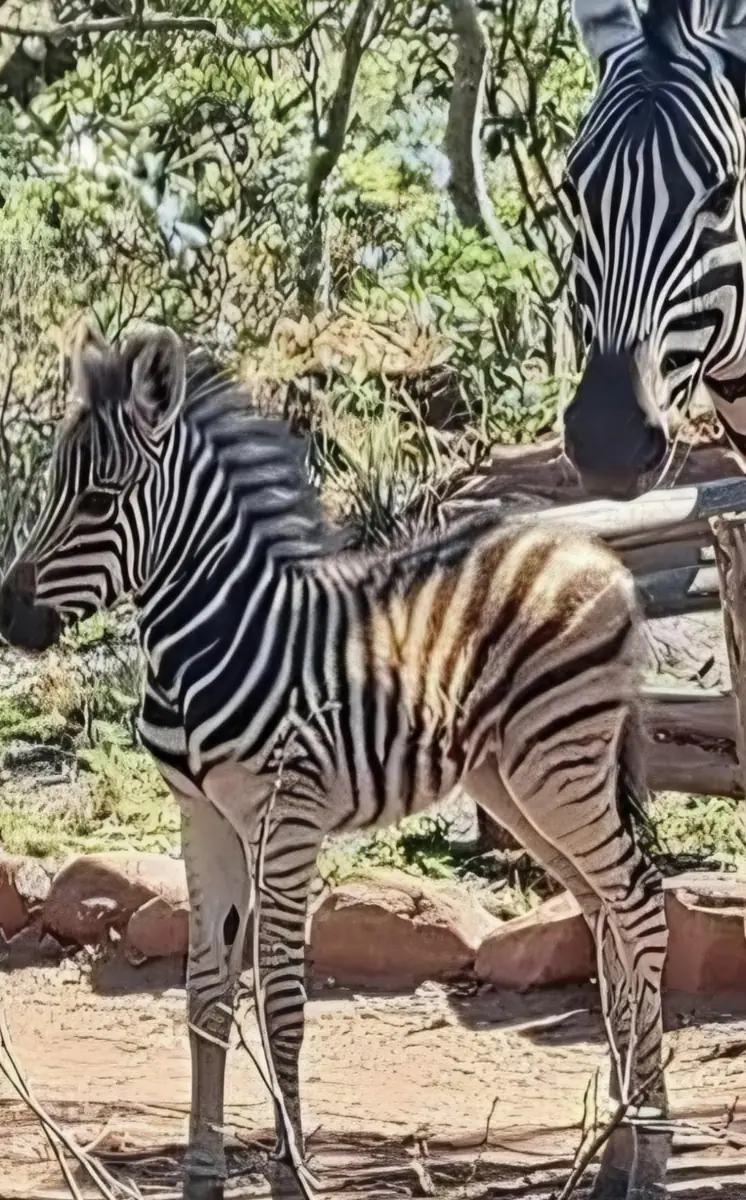
Zebra
Foal on the track

Sounder
Piglets in shade
Nyala
Red-earth walk
Building guidelines
Materials, energy and water have to respect the original landscape. Understated bushveld architecture — homes and cabins that disappear into the trees — is the language the ARC is there to protect.
01
Taken off at central points across the estate. Owners connect from there. Rainwater harvesting is encouraged.
02
There is no Eskom supply. Houses run on solar PV, battery backup, wind and gas.
03
Private septic tanks. Systems that separate grey and brown water are encouraged.
04
Extinguishers in every house. Hose points off water storage, and fire beaters, are encouraged.
05
Owners remove household waste. A central service is planned once the estate reaches critical mass.
06
The ARC checks siting, style, finishes and environmental impact before anything is built.
Houses
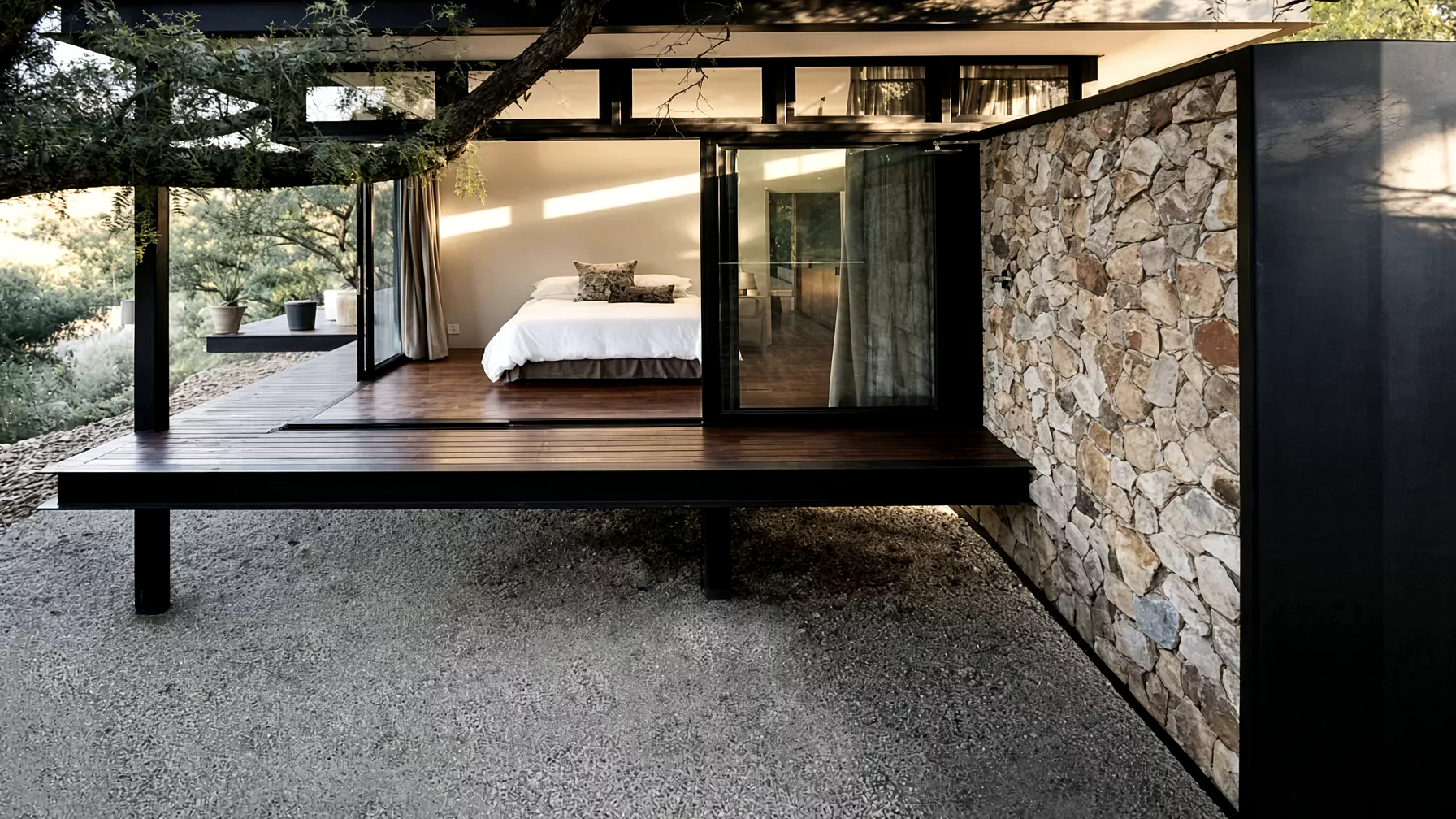
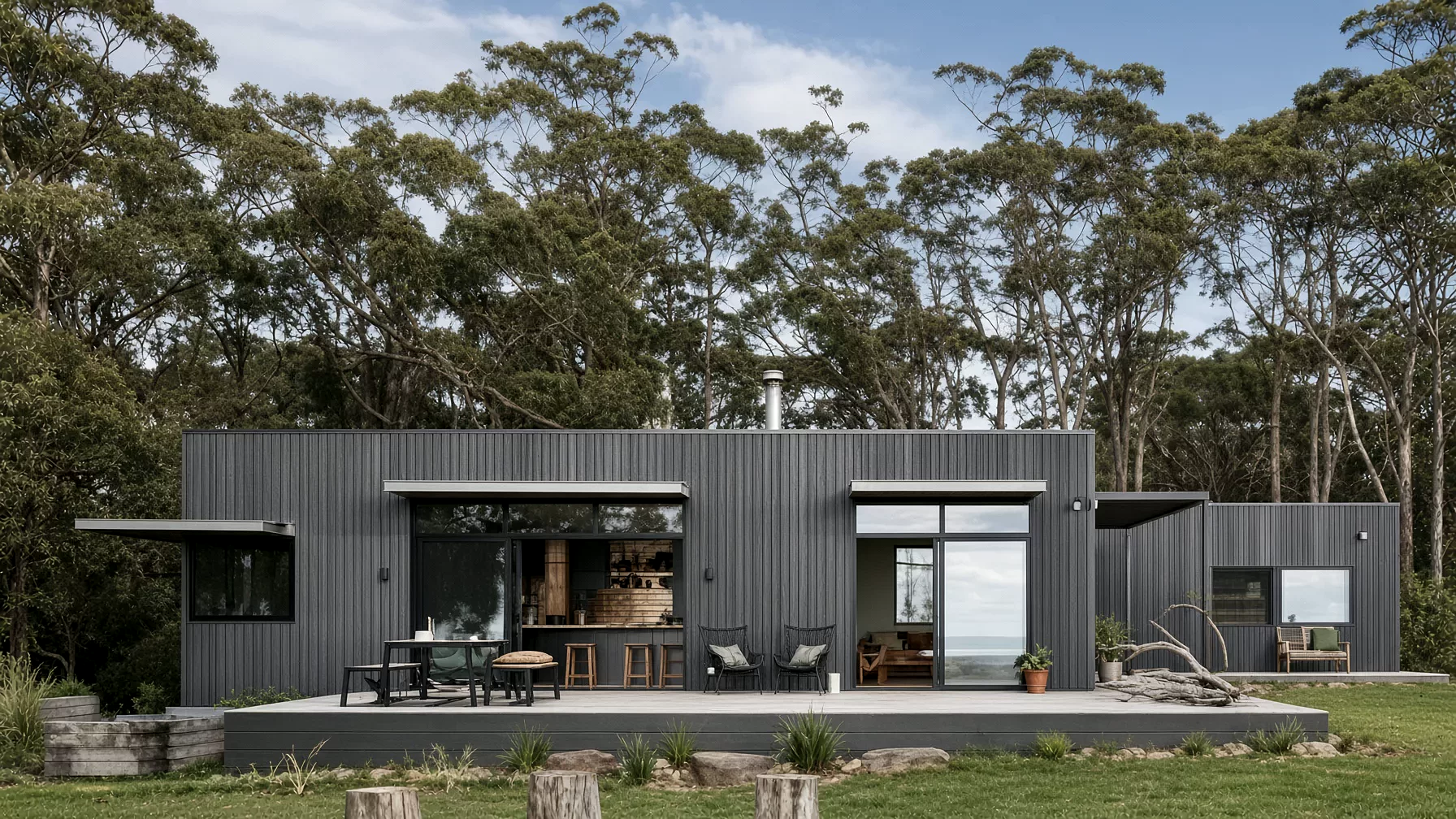
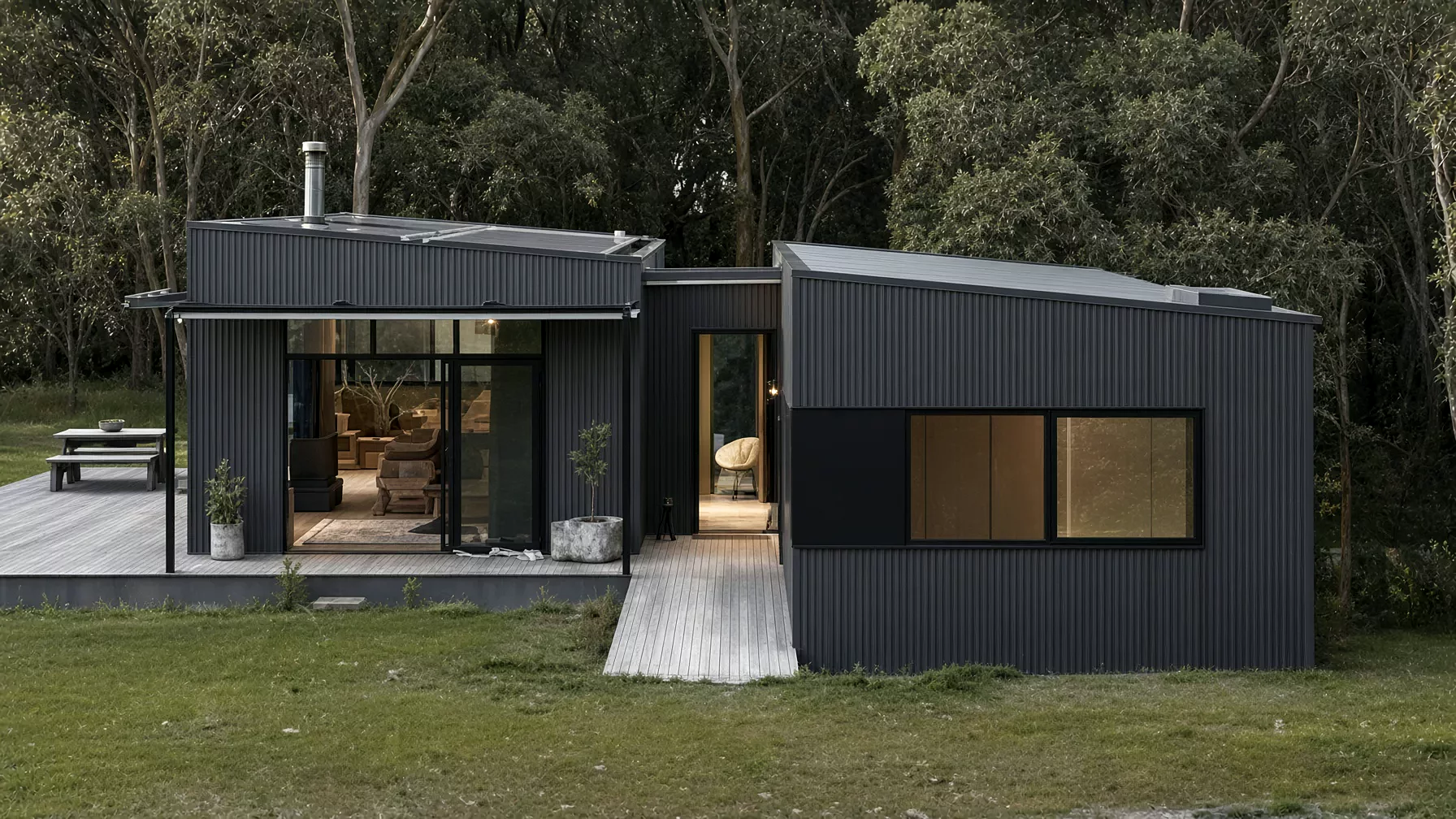
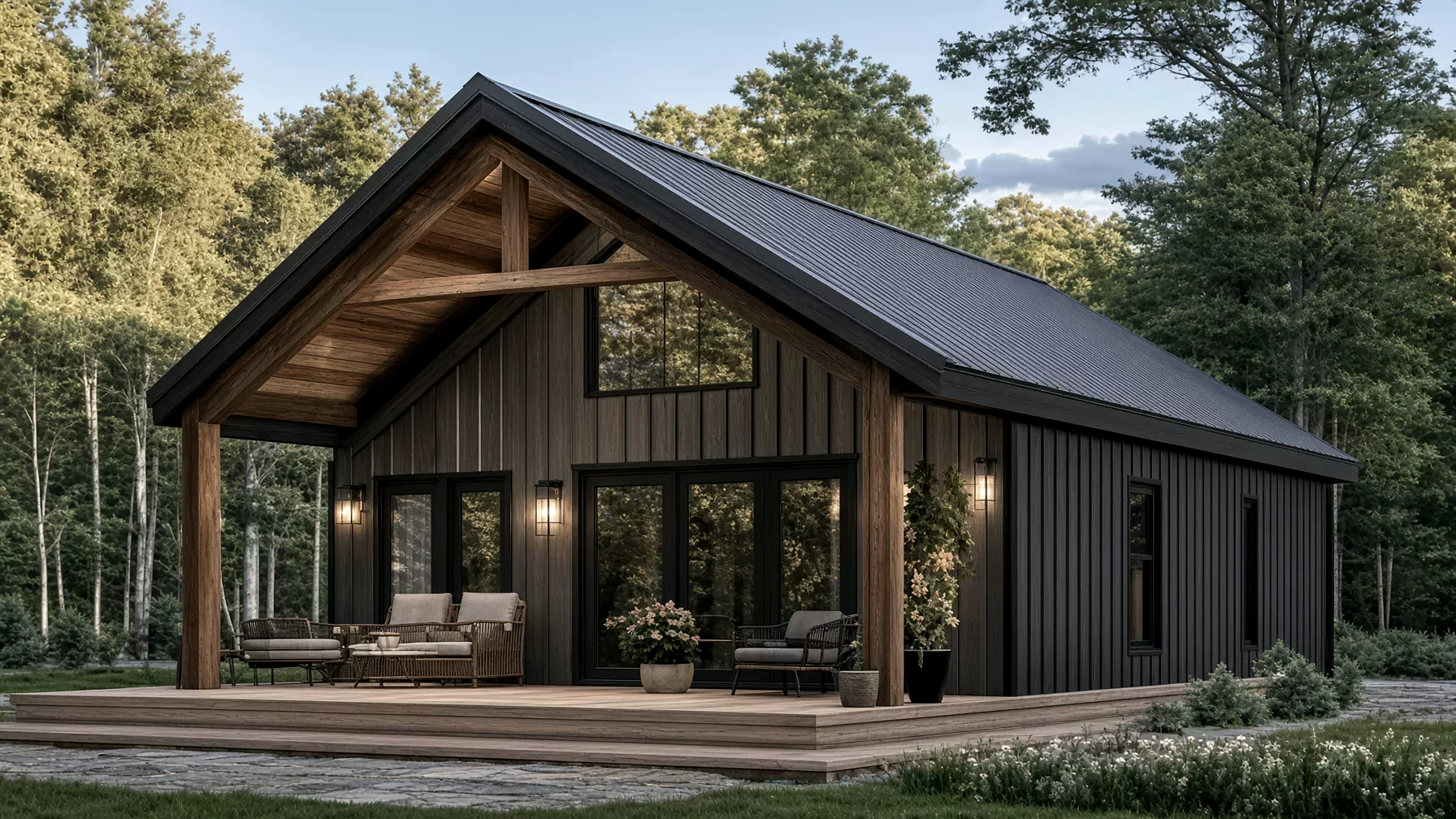
These are reference houses in the bushveld language Nylsoog asks for: raised off the ground, stone and timber, a steel roof with solar, a deck, and a boma close by. They are examples of what can be built, not homes already standing on the estate. Every plan still goes through the Architectural Review Committee.

01
Raised bush lodge
Stone chimney, timber deck, lifted clear of the slope

02
Solar deck house
Timber cladding, panels on the roof, supper on the deck

03
Stone and steel
A stone plinth, a light upper floor, the view left open

04
Cabin and boma
A simple roof, solar on top, a fire circle out front

05
Pavilion on stilts
Raised so the ground, and the drainage, stay intact
06
Sleeping pavilion
A room that opens straight onto the deck

07
Stone courtyard
Dry-packed stone, black steel, shade from the trees
08
Veranda cabin
One long front, an outdoor kitchen, a deep overhang
09
Linked volumes
Two quiet blocks joined by a deck
10
Gable cabin
Dark cladding, a timber porch, a simple roof

11
Timber porch
Stone chimney, exposed beams, a covered outdoor room
Stewardship
Every owner joins the Nylsoog Landowners Association. It is registered under the Companies Act of 2008 and with CIPC, with CSOS and with local fire and safety bodies. A chairperson and five directors lead it. A full-time estate manager runs the ground, with one chairperson and four workers. The developer remains on roads, fences, boreholes and water lines.
Before you buy
These answers are what the estate has already published. Where a detail is not on this page, the office still has to confirm it.
Gallery
Wildlife, weather and the track itself. These are the estate’s own pictures — open any frame.
Find the estate
447 KR Portion 11, Groot Nylsoog, Bela-Bela, 0480. Limpopo, South Africa. The Groot Nylsoog turn-off is approximately 10 to 14 km northeast of Bela-Bela on the R101. Gravel road for approximately 6 km. Pass Leopards Rock Estate on your right. The next big entrance on your right is Nylsoog Wild and Eco Estate / Rivierplaas.
Life in the Bush. Full-title stands from R390 000 to R550 000, VAT exclusive, on 1,350 hectares of Waterberg bushveld — Nylsoog Wild & Eco Estate, 90 minutes from Pretoria. nylsoog.co.za
Enquire
For a stand or the open day, use the contacts below. Sales and estate-office roles are still being confirmed.
Dr Johnny Coetzee (Director/Developer)
Marcel Vorster (Director/Developer)
Hes de Jong
Marketing